
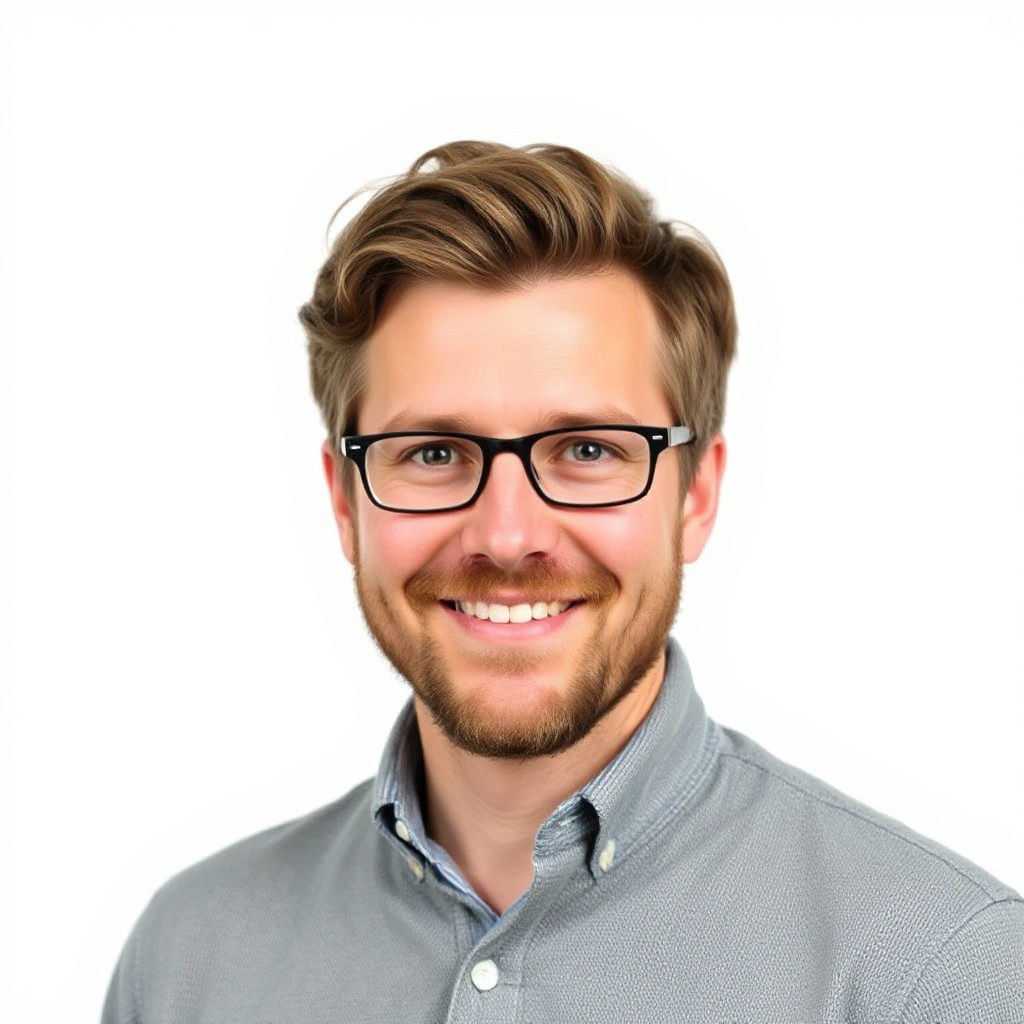

Within a decade, the influencer Zhang became one of the most recognisable names among China's youth.
With more than 26 million followers on Douyin, the 41-year-old was a leading figure in the influencer sphere - all while constructing his reputation in a particular domain. By giving counsel to young people and their parents on college admissions and major selection, he worked to guide them obtain what many view as an all-important goal: better job prospects.
Questions about job readiness are complicated in the Chinese context, and Zhang was renowned for his extremely pragmatic approach. It also made him a highly controversial figure. Zhang once stated that "no major is worse than journalism" and described liberal arts majors as a "servile sector that pleases others".
Local media have often linked his rise to a deep-seated worry in the society in China, driven by a decelerating economic growth and a stagnant job market for young people. Yet Zhang stayed a polarising figure.
Supporters say he altered the trajectory of their futures by offering insights that ordinary families without resources would otherwise have trouble acquiring. Detractors, however, contend his advice was narrowly utilitarian and in the end detrimental to society.
But these discussions were suddenly silenced on that Tuesday. Zhang's name started to trend in the afternoon amid rumours that he had collapsed while exercising. A few hours later, a message was published on his social media accounts announcing that he had died of cardiac arrest.
Tributes poured in almost immediately. Zhang's death was reported by leading national outlets, and on social media the hashtag "Zhang Xuefeng passes away" generated more than 600 million views in under a day.
"This is truly saddening - he really changed many households lacking direction who had no background," said a widely-liked message on the platform Weibo.
The Rise of Zhang Xuefeng
Zhang's rise embodied what millions of his followers strive for: someone from a modest town who rises through the ranks by forging their own path.
Zhang, whose birth name was Zhang Zibiao, was born in May 1984 in a small county in the city of Qiqihar, a city in the northeastern province of Heilongjiang.
He studied public utility engineering at the university in Zhengzhou. After graduating in 2007, he started at an exam preparation company in Beijing that aids university students study for the master's degree qualification exam.

In a country where education has long been regarded as a pathway to prosperity, many Chinese people believe some of life's most pivotal moments could rest on a handful of high-stakes exams: the gaokao college admissions test; the master's program admissions test; and the government employment examination.
Zhang entered the tutoring industry at a time of rapid expansion. China's economy was on the rise and university admissions were also surging. In 1998, there were only 1 million first-year undergraduates in China; by 2008, that number had jumped to 5.99 million.
The expansion of college enrolment gave many low-income and rural families an opportunity to send their children to college for the first time. But experts have indicated that such quick scaling also led to declining educational standards and an surplus of alumni in the job market.
"The time when a degree automatically led to a career is over, and graduates now face tremendous job market stress," says an expert on Chinese education.
This, along with growing inequality in Chinese society, puts enormous pressure on low-income families, which has made people "increasingly view education as the last channel for families and individuals to achieve social mobility".
As university enrolment expanded, admissions systems also became more complex. Rules for university admissions can change depending on the locality. Meanwhile, for graduate school, applicants must choose a single major at a single university from almost one thousand universities.

For students and parents overwhelmed by these complicated systems, Zhang gave clear guidance. In 2016, he achieved online fame after presenting a speech in which he summarised the 34 elite universities that set their own admission standards.
Zhang had a charismatic and humorous style that made such complex information easy to digest - and his career skyrocketed thereafter.
A Controversial Character
From then on, Zhang participated in a variety of television shows and media productions, and eventually founded his own firm, building a strong social media presence and offering advisory services for students and parents ready to pay extra.
His most main outlet became social media. On platforms like Douyin, Zhang would livestream for hours and share video snippets aimed at anxious guardians seeking help to select a field of study - as well as, ultimately, a occupational route that would lead to a stable future for their children.
He answered queries such as "Is electrical engineering suitable for female students?" and "What is the job placement rate for law degrees?" and answered with his signature frankness.
Zhang understood each discipline, university, and career path so thoroughly that he talked with total conviction. In one livestream, when asked about the finance major, he nearly yelled: "How good a job you'll find has nothing to do with your grades… It all comes down to whether you have the right resources."
To his followers, he provided a clear formula for career planning that universities were unable to provide. He would say things like: "If you are not from a top school and work somewhere different from where you study - you are doomed."
He counseled humanities students to major in law, accounting, or Chinese literature, arguing that these fields most commonly led to employment via public sector examinations. For biology, chemistry, or environmental science, he cautions that finding a good position often required continuing studies through to a PhD.

Zhang's advice, however, was not broadly endorsed.
"It is irresponsible to suggest a field simply based on its perceived value." argues an education researcher. "He completely ignored students' intellectual capacity and holistic growth."
But Zhang and his followers maintained that ordinary families do not have the luxury to consider individual traits or personal likes. "All I do is to save children from ordinary families|My mission


